

Wrong Search Intent
The page may attract informational visitors who are not ready to buy, or it may fail to answer the commercial questions buyers ask before contacting a company.
Atlanta, Georgia, USA
Organic Lead Generation Guide
A website can get traffic but no leads when visitors cannot quickly understand the offer, trust the business, find the right service page, or see a clear next step. The fix is usually a mix of stronger search intent, clearer content, better trust signals, cleaner calls to action, and a contact path that matches what buyers need.
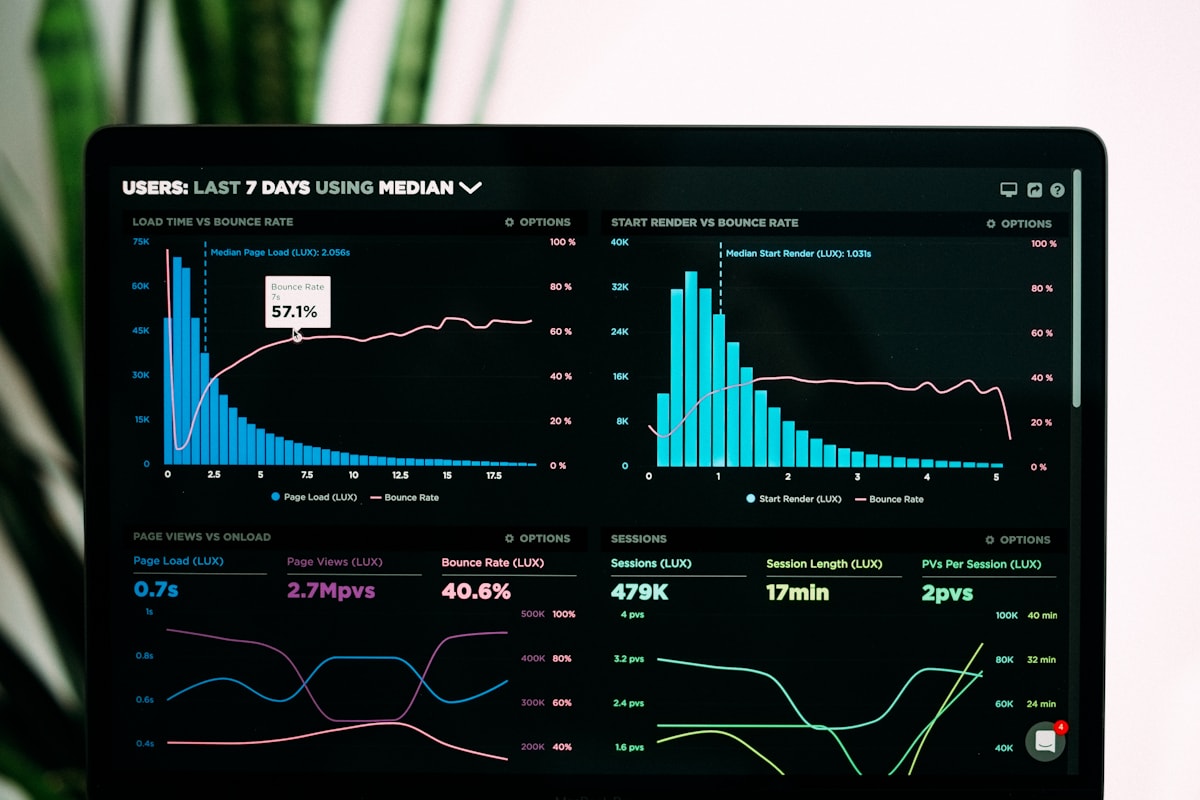
Traffic alone does not create business value. The website needs to match buyer intent, explain the offer clearly, answer objections, build trust, and make the next step easy on desktop and mobile.
The page may attract informational visitors who are not ready to buy, or it may fail to answer the commercial questions buyers ask before contacting a company.
Visitors may not understand who the service is for, what problems it solves, what is included, where the company works, or what happens after they submit the form.
Generic buttons and scattered contact options can make visitors hesitate. A focused contact-form path gives qualified visitors a clear next step.
Visitors need proof, project context, process clarity, policies, useful FAQs, and signs that the company can safely handle the work.
Spacing issues, hard-to-tap buttons, oversized sections, slow images, or unclear forms can cause mobile visitors to leave before contacting the business.
Without CTA, form-start, and submission tracking, it is hard to know whether the issue is traffic quality, page messaging, form friction, or offer clarity.
This guide is for business owners and marketing teams that already receive some website visits but do not get enough qualified inquiries from organic search, service pages, ecommerce pages, or marketing campaigns.
The fastest improvement usually comes from fixing the path between visitor intent and the contact form before creating more content or increasing ad spend.
Start by reviewing whether each important page matches a real buyer intent. A service page should explain the problem, the solution, who it is for, what is included, what makes the company trustworthy, and what the visitor should do next.
For SEO, AEO, and GEO, the page should also be easy for search engines and AI systems to summarize. Direct answers, question-based headings, internal links, schema-supported FAQs, and entity-rich service explanations help both people and AI understand the page.
Map each page to one main buyer need, then remove vague content that does not help the visitor decide whether to contact the business.
Use real project context, approved case studies, testimonials, process details, policies, and service-specific FAQs instead of unsupported claims.
Track which CTAs receive clicks, which pages start form interactions, and where visitors drop off before submitting a request.
A website may get traffic but no leads when the page attracts the wrong intent, does not explain the offer clearly, lacks trust signals, has weak calls to action, loads poorly on mobile, or makes the contact path confusing.
Review which pages bring traffic, what keywords or channels visitors use, whether CTA clicks happen, whether forms are started, and whether visitors reach high-intent service pages before leaving.
Not always. It is often better to fix high-intent service pages, CTAs, trust signals, tracking, and contact paths before publishing more content that sends visitors into the same weak funnel.
Yes. SEO can improve lead quality by aligning pages with buyer intent, strengthening internal links, adding answer-ready sections, improving local context, and guiding visitors toward clear conversion actions.
Include your website URL, the pages receiving traffic, target services, target location, current lead problem, active marketing channels, and whether you need SEO, website cleanup, landing page review, or tracking help.
The fastest path is usually to improve the highest-intent pages first: clarify the offer, add direct answers, improve CTAs, add trust signals, simplify the form path, and track clicks and submissions.
GHL Technology can review your website, service pages, CTAs, tracking, SEO structure, and contact path to identify the most practical next step for improving qualified inquiries.
Start with the GHL Technology contact form and include your website URL, main service, target location, current traffic or lead problem, and what you want the website to generate.